


Choosing between a natural diamond and a lab-grown diamond is an important decision when selecting fine jewelry. Both options offer exceptional beauty and durability, but each has unique characteristics that may suit different preferences, lifestyles, and budgets.
Understanding the differences between natural and lab-grown diamonds can help you make an informed choice. Explore their origins, qualities, and benefits to determine which option best reflects your style and values.

What are lab grown diamonds?
Lab grown diamonds are real diamonds that are created in a lab. Using advanced technology in a highly controlled environment, scientists successfully mimic the same process the earth uses over billions of years to create natural diamonds. From their chemical composition to the way they sparkle in the light, lab grown diamonds are identical to natural diamonds in every way. The only difference is their origin story.
How are lab grown diamonds made?
There are two ways to create lab grown diamonds: High Pressure High Temperature (HPHT) and Chemical Vapor Deposition (CVD). Both methods begin in a chamber with a tiny “seed” — a piece of lab grown diamond — and end with a rough diamond. The two types of lab grown diamonds look a little different in the rough, but once they’re cut and polished only an expert with expensive equipment can tell them apart from natural diamonds.
Collapsible content
Chemical Vapor Deposition (CVD) Method
Carbon-rich gas is heated in a CVD vacuum chamber to break it down and release the carbon particles. They attach to the starter seed in layers to form a rough diamond.
High Pressure High Temperature (HPHT) Method
To replicate the way natural diamonds form, the starter seed is placed in a capsule with high-quality carbon. Under high pressure and heat, the carbon dissolves and crystalizes on the seed layer by layer.

THE DIAMOND 4C’S
Lab grown diamond quality
The value of every lab grown and natural diamond is determined by its unique combination of the 4C’s: cut, color, clarity and carat. Harland Grey selection offers a range of values and price points to fit every budget.
Love your lab grown diamond for a lifetime
Harland Grey cares about you and your lab grown diamond from your first look through the life of your jewelry. Here’s what that commitment looks like.
-
Ethically Sourced
Lab grown gemstones are created in controlled laboratory environments, which can have positive environmental and social impacts.
-
High-Quality
Lab grown gemstones are carefully manufactured under controlled conditions, allowing for precise control over their color, clarity, and overall quality.
-
Affordable
With lab grown gems, you can often get larger or higher-quality stones at a fraction of the price of their natural counterparts.
The origin story
Natural and lab grown diamonds have the same physical, chemical and optical properties. Both are real diamonds — the key difference is their origins.
| Natural Diamonds | Lab-Grown Diamonds | |
|---|---|---|
| Origin | Created over billions of years and mined from the earth's mantle. | Grown in a controlled laboratory over several months. |
| Value | Prized for their rarity; only a finite number exist. | Offers excellent value, allowing you to choose a larger diamond within your budget. |
| Durability | 10 on the Mohs hardness scale. | 10 on the Mohs hardness scale. |
| Grading Scale | Quality is measured using the 4Cs: cut, color, clarity, and carat weight. | Quality is measured using the 4Cs: cut, color, clarity, and carat weight. |
| Certification | Certified by independent third-party diamond grading laboratories. | Certified by independent third-party diamond grading laboratories. |
| Composition | Carbon with trace amounts of nitrogen. | Pure carbon. |
| Craftsmanship | Ethically sourced, then expertly cut and polished. | Ethically sourced, then expertly cut and polished. |
-
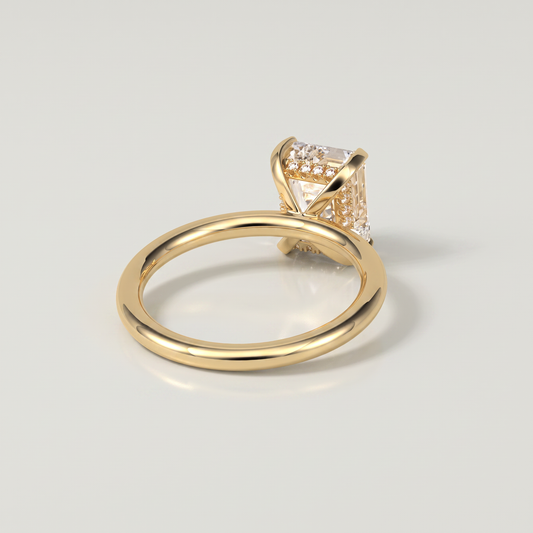
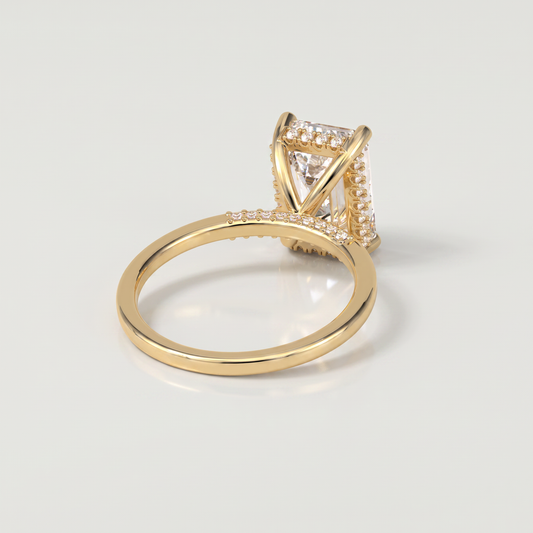
Emerald Solitaire Lab-Grown Diamond Engagement Ring with Hidden Halo
Regular price From $1,006.00 USDRegular priceUnit price per -
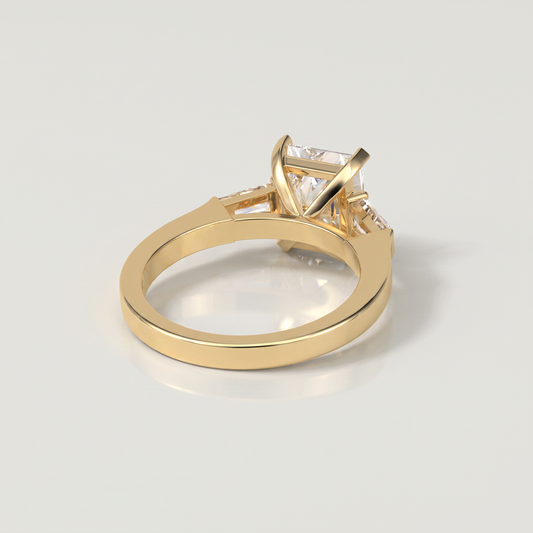
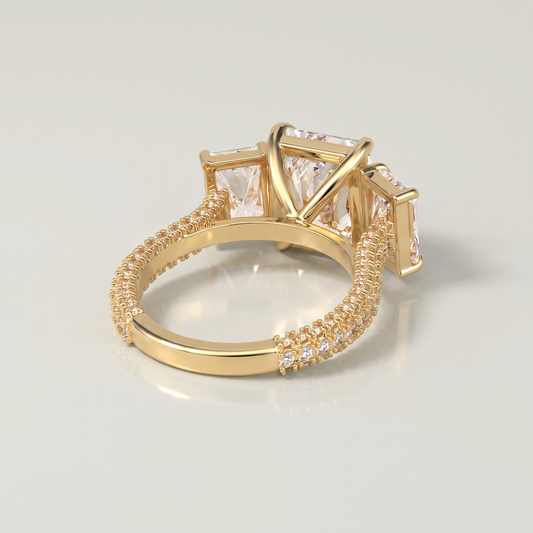
Radiant Three Stone Lab-Grown Diamond Engagement Ring with Cathedral
Regular price From $1,331.00 USDRegular priceUnit price per -
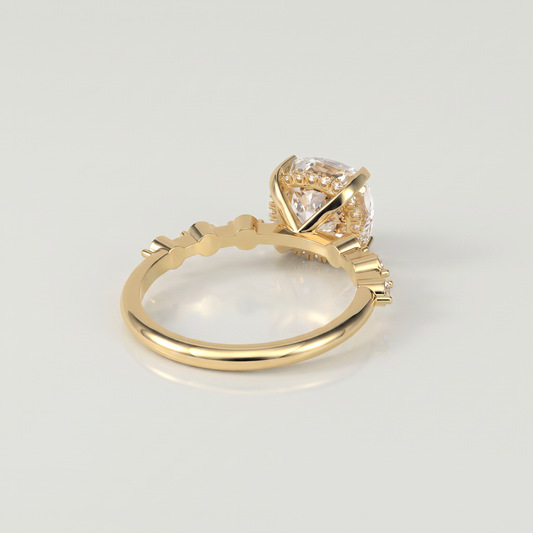
Cushion Side Stone Lab-Grown Diamond Engagement Ring with Hidden Halo
Regular price From $1,142.00 USDRegular priceUnit price per -
Cushion Side Stone Lab-Grown Diamond Engagement Ring with Hidden Halo
Regular price From $1,142.00 USDRegular priceUnit price per -
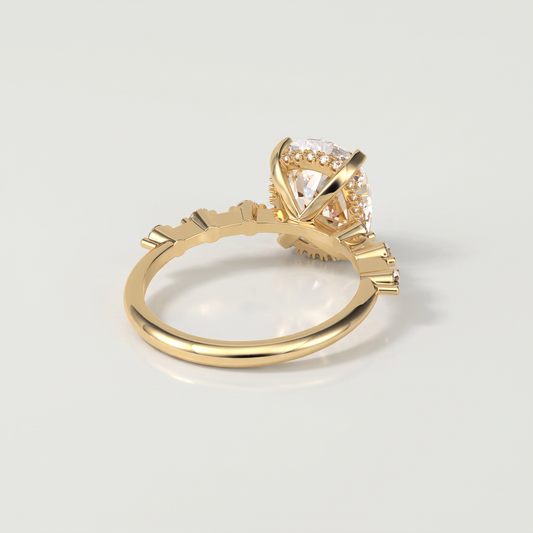
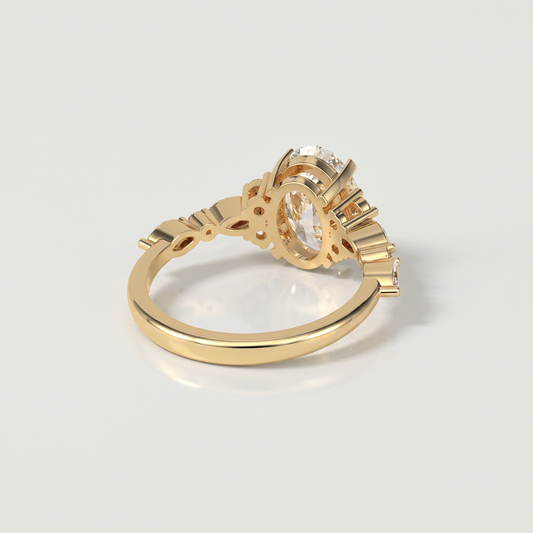
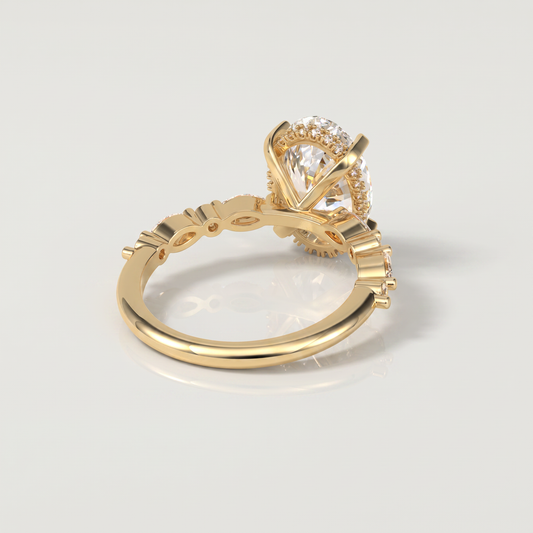
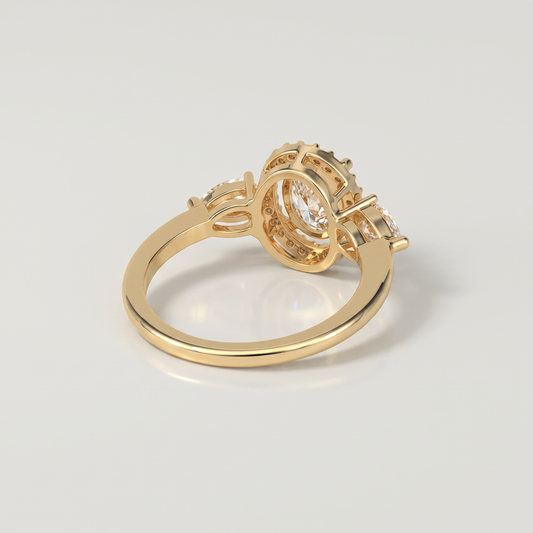
Oval Side Stone Lab-Grown Diamond Engagement Ring with Hidden Halo
Regular price From $1,336.00 USDRegular priceUnit price per -
Oval Side Stone Lab-Grown Diamond Engagement Ring with Hidden Halo
Regular price From $1,190.00 USDRegular priceUnit price per -
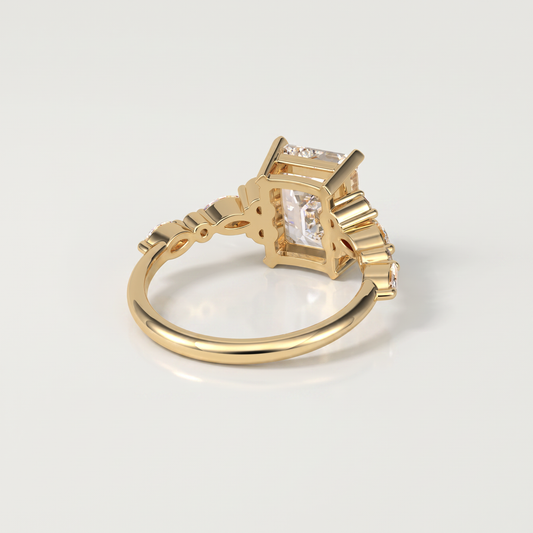
Emerald Side Stone Lab-Grown Diamond Engagement Ring with Hidden Halo
Regular price From $1,336.00 USDRegular priceUnit price per -
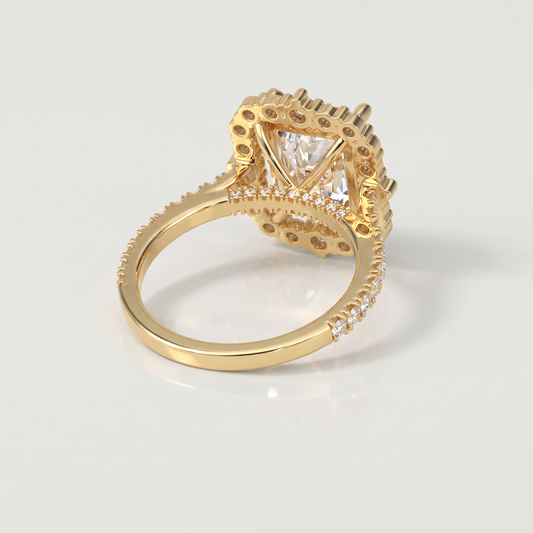
Radiant Halo Lab-Grown Diamond Engagement Ring with Accented Shank
Regular price From $1,734.00 USDRegular priceUnit price per -
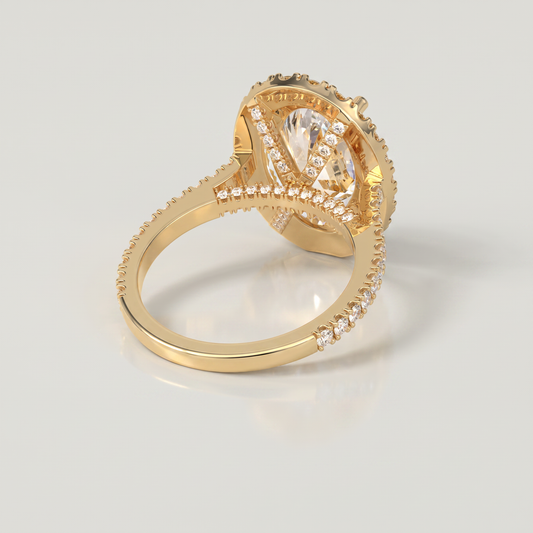
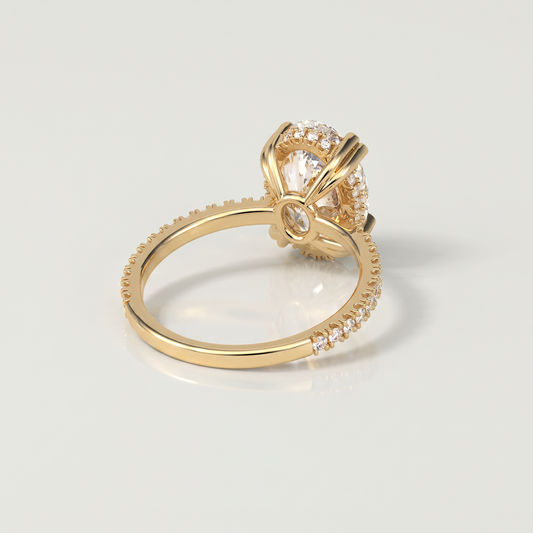
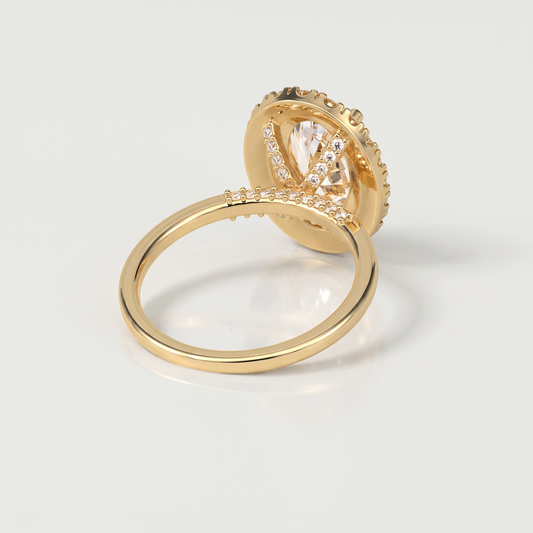
Oval Halo Lab-Grown Diamond Engagement Ring with Accented Shank
Regular price From $1,411.00 USDRegular priceUnit price per -
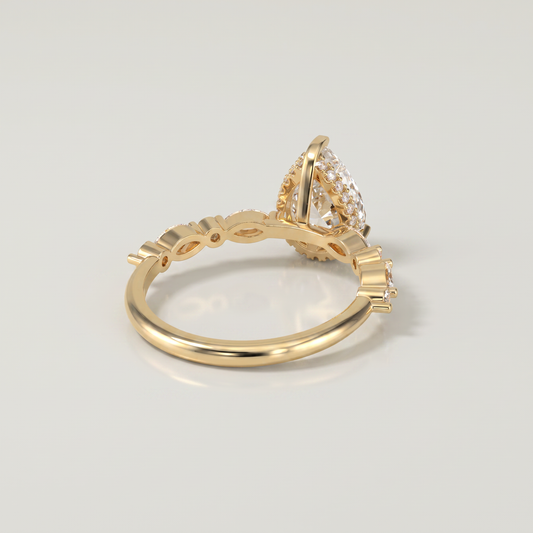
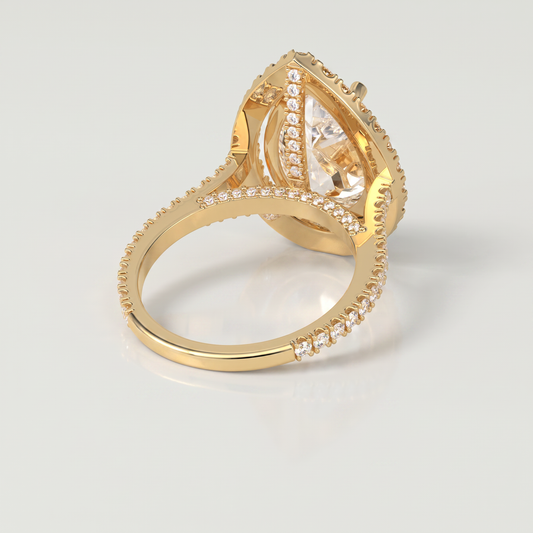
Pear Halo Lab-Grown Diamond Engagement Ring with Accented Shank
Regular price From $1,306.00 USDRegular priceUnit price per -
Oval Halo Lab-Grown Diamond Engagement Ring with Cathedral
Regular price From $1,625.00 USDRegular priceUnit price per -
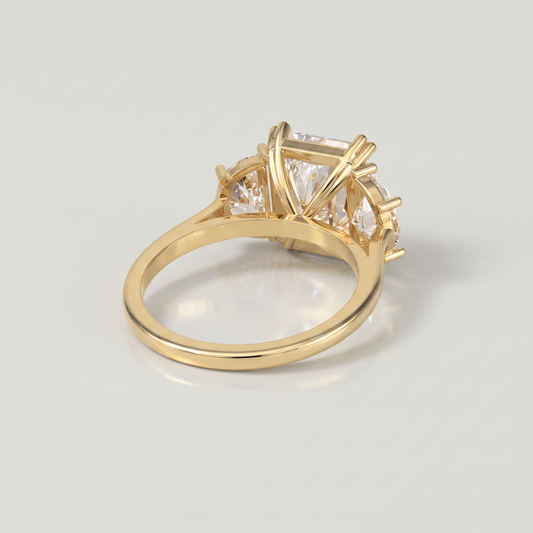
Radiant Three Stone Lab-Grown Diamond Engagement Ring
Regular price From $1,853.00 USDRegular priceUnit price per -
Oval Halo Lab-Grown Diamond Engagement Ring with Accented Shank
Regular price From $1,319.00 USDRegular priceUnit price per -
Radiant Side Stone Lab-Grown Diamond Engagement Ring with Hidden Halo
Regular price From $1,142.00 USDRegular priceUnit price per -
Oval Side Stone Lab-Grown Diamond Engagement Ring with Cathedral
Regular price From $1,265.00 USDRegular priceUnit price per -
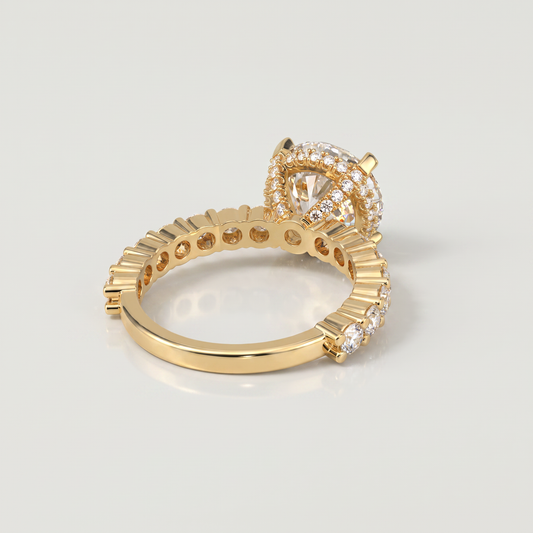
Round Solitaire Lab-Grown Diamond Engagement Ring with Hidden Halo
Regular price From $1,737.00 USDRegular priceUnit price per -
Pear Halo Lab-Grown Diamond Engagement Ring with Cathedral
Regular price From $1,646.00 USDRegular priceUnit price per -
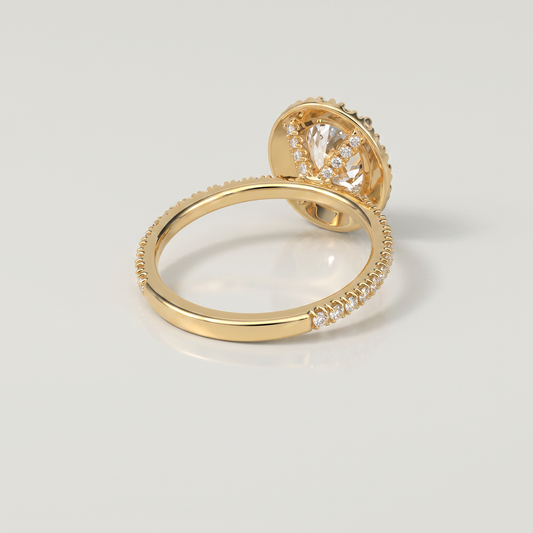
Oval Halo Lab-Grown Diamond Engagement Ring
Regular price From $1,408.00 USDRegular priceUnit price per -
Oval Halo Lab-Grown Diamond Engagement Ring with Cathedral
Regular price From $1,401.00 USDRegular priceUnit price per -
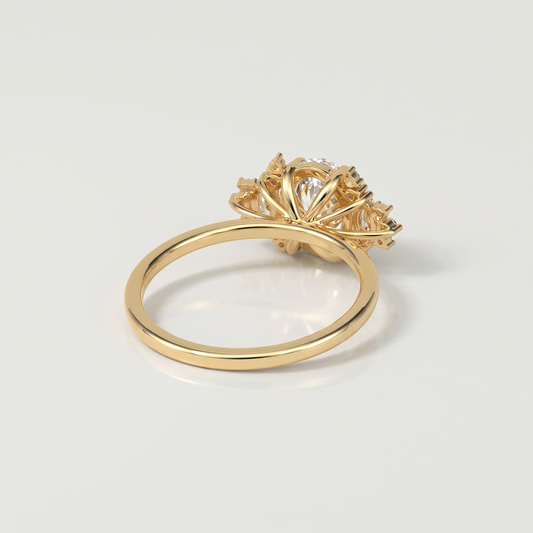
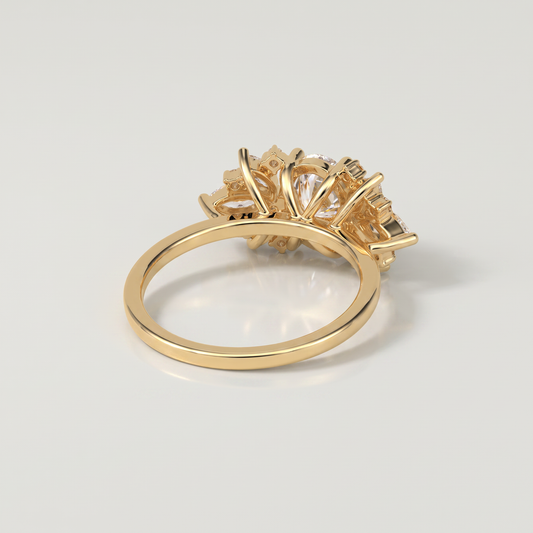
Oval Side Stone Lab-Grown Diamond Engagement Ring with Cluster
Regular price From $1,346.00 USDRegular priceUnit price per -
Radiant Three Stone Lab-Grown Diamond Engagement Ring with Cathedral
Regular price From $2,586.00 USDRegular priceUnit price per -
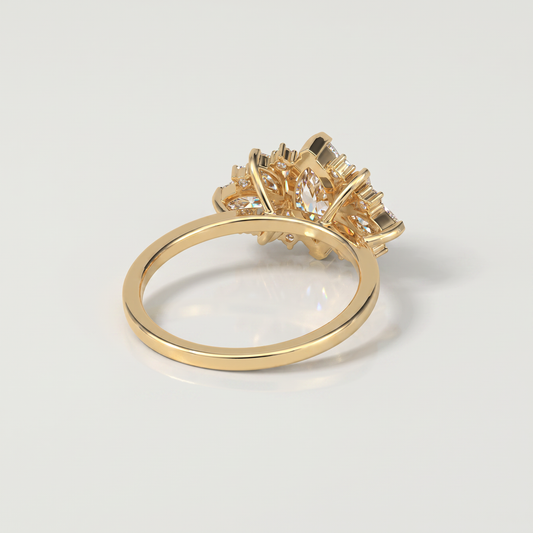
Marquise Side Stone Lab-Grown Diamond Engagement Ring with Hidden Halo
Regular price From $1,396.00 USDRegular priceUnit price per -
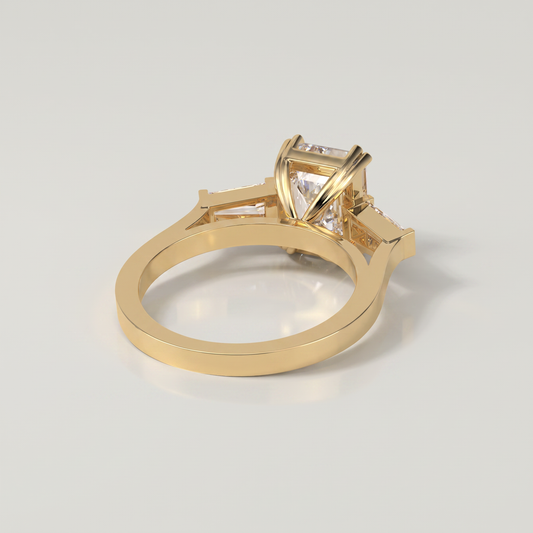
Emerald Three Stone Lab-Grown Diamond Engagement Ring with Cathedral
Regular price From $1,397.00 USDRegular priceUnit price per -
Oval Halo Lab-Grown Diamond Engagement Ring
Regular price From $1,275.00 USDRegular priceUnit price per -
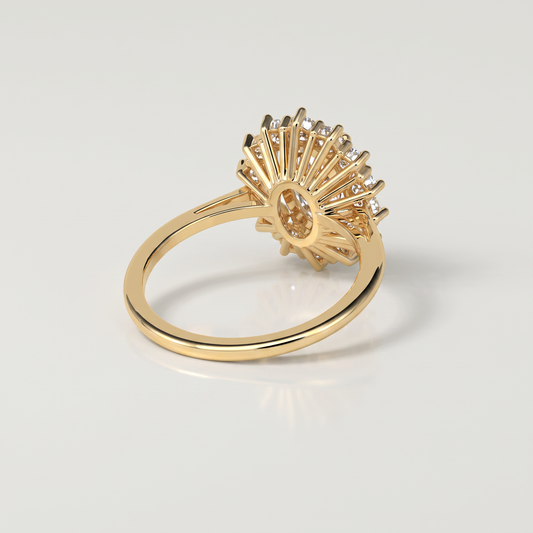
Radiant Halo Lab-Grown Diamond Engagement Ring with Cathedral
Regular price From $1,370.00 USDRegular priceUnit price per

























Frequently Asked Questions
How do companies create lab grown diamonds?
Two methods can produce jewelry-quality diamonds: HPHT and CVD.
HPHT is an abbreviation for High Pressure/High Temperature. This method replicates the natural formation of diamonds by subjecting carbon to high temperatures and pressing it together.
CVD is an abbreviation for Chemical Vapor Deposition. A seed crystal chamber is filled with a mixture of hydrogen and methane gas. Microwave power often heats the chamber to a high temperature, which excites the gas. The diamond grows on the seed crystal.
What is a lab grown diamond certificate?
Certified gemological institutes grade lab grown diamonds using the same 4 Cs that are used to grade naturally mined diamonds. It means that the properties of each diamond, such as its color grade, carat weight, clarity grade, and cut grade, are validated by a diamond certificate like the mineral one.
The most well-known grading laboratories that give this type of certificate are the Gemological Institute of America (GIA), and the International Gemological Institute (IGI). You can make an informed decision and compare similarly graded diamonds by having a certificate like these.
What is the main difference between lab grown diamonds and natural diamonds?
The main difference is how each one is made. The mined diamond is formed by a natural process dependent on extremely long, natural factors. On the other hand, the laboratory diamond is a more efficient approach to producing diamonds with the same appearance and physical, chemical, optical, and atomic properties.
Furthermore, there are many difficulties in extracting mineral diamonds, while those made in laboratories are much conflict-free and ethically sourced.
What is the main difference between lab grown diamonds vs natural diamonds?
The main difference is how each one is made. The mineral diamond is formed by a natural process dependent on extremely long natural factors. On the other hand, the laboratory diamond is a more efficient approach to producing diamonds with the same appearance and physical, chemical, optical, and atomic properties.
Furthermore, there are many difficulties in extracting mineral diamonds, while those made in laboratories are much more ethical and budget-friendly.
Are lab grown diamonds worth it?
Yes, man-created diamonds are totally worth it! They can cost around 50% less than earth diamonds and are structurally identical, so you’re investing less for more – which is perfect.
What is the future of lab grown diamonds?
The fact that they are more affordable than minerals and more ethical, because they do not require an extraction process and do not degrade nature, demonstrates that the industry and the presence of these beautiful and modern diamonds will only grow exponentially in the future.